
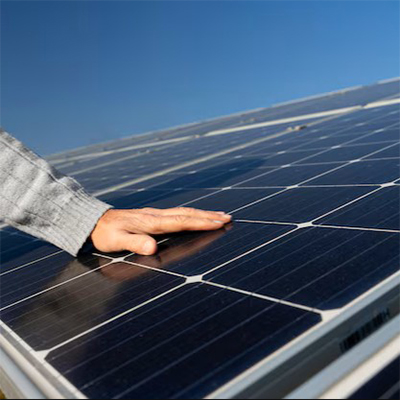
Rooftop solar installations have been a key focus of India’s renewable energy strategy over the past decade. The government launched the National Solar Mission in 2010 with ambitious targets for solar power, including a significant push for rooftop solar systems. Initially, progress was slow due to high costs, lack of awareness, and regulatory hurdles. However, as technology improved and costs decreased, adoption began to accelerate, particularly in urban areas.
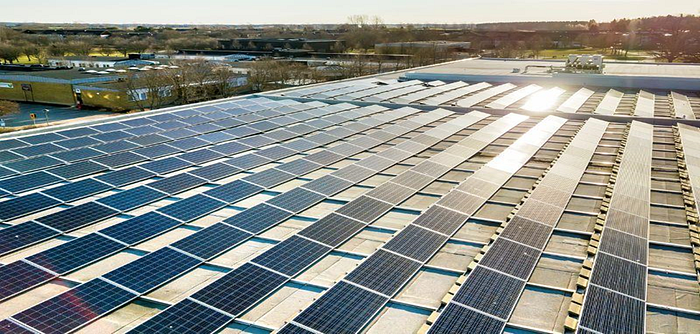
Maharashtra has achieved a remarkable milestone in its journey towards sustainable energy, surpassing 100MW of rooftop solar installations. This achievement not only marks a significant step in the state’s commitment to renewable energy but also highlights the growing awareness and participation of its citizens in the green energy revolution.
A Sunny Success Story
The rooftop solar initiative in Maharashtra has seen enthusiastic participation from 25,086 households, who have collectively received approximately Rs 160 crore in subsidies. This impressive uptake demonstrates the effectiveness of the state’s subsidy structure, which offers:
- Rs 30,000 per kW for installations up to 2kW
- Rs 18,000 per kW for capacity beyond 2kW
This step-by-step subsidy plan has successfully boosted solar adoption while protecting power companies’ finances. It’s working as intended, with families choosing system sizes that give them the best subsidy deals.
Balancing Act: Growth and Sustainability
The success of Maharashtra’s rooftop solar program goes beyond mere numbers. It represents a delicate balancing act between encouraging solar adoption and ensuring the financial health of discoms. By incentivizing smaller installations, the scheme promotes a more distributed and manageable growth of rooftop solar capacity.
This approach could lead to several positive outcomes:
- Standardization and Cost Reduction: With installations averaging around 2kW, we may see a standardization in equipment and installation processes. This could potentially reduce costs over time, making solar even more accessible.
- Grid Stability: Smaller, more numerous installations spread across the state could contribute to better grid stability compared to fewer, larger installations.
- Local Industry Boost: The surge in installations is providing a significant boost to the local solar industry, including installers, equipment suppliers, and maintenance services.
Get Rakshith Jain’s stories in your inbox
Join Medium for free to get updates from this writer.
This surge in solar adoption creates a massive for our portfolio companies to thrive:
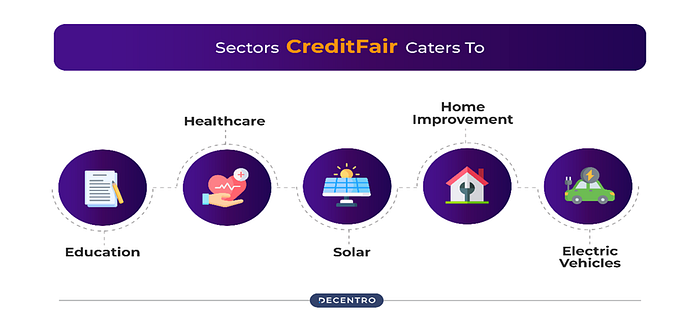
- CreditFair: Fueling the Solar Revolution As a leading lending platform focused on rooftop solar financing, CreditFair is perfectly positioned to capitalize on this growth. CreditFair’s partnerships with top energy companies in the likes of Tata Power, Luminous Power & Waaree energy, extensively covering the gamut of solar panel manufacturers to better serve the Indian masse. As more homeowners seek to join the solar movement, CreditFair’s role in making solar financially accessible becomes increasingly vital.
- Ellipsol: Maximizing Solar Potential Ellipsol’s innovative sun-tracking reflective dish technology stands to gain significantly from this market expansion. With Maharashtra’s rooftop solar capacity growing, Ellipsol offers:

- A solution to space constraints in urban areas
- Increased efficiency for existing and new installations
- A competitive edge in a rapidly growing market
As households look to maximize returns on their solar investments, Ellipsol’s efficiency-boosting technology becomes even more attractive.
Looking Ahead: Challenges and Opportunities
As Maharashtra celebrates this milestone, it’s important to consider the road ahead. Several questions emerge:
- Will the current capacity be sufficient for future household needs as energy consumption patterns evolve?
- How will increased adoption affect grid stability and management in the long term?
- Are there opportunities to encourage slightly larger systems for households that could benefit from them without overstressing the grid?
These questions underscore the need for continuous innovation in policy and technology. Companies across the solar value chain, including EPCs, manufacturers, and maintenance/cleaning companies, will be crucial in addressing challenges. Innovative financing and efficiency-boosting technologies could expand access and improve returns on existing systems. As the rooftop solar sector grows, this ecosystem will be key to overcoming hurdles, enhancing technology, and accelerating adoption throughout India.
Conclusion: A Bright Future
Maharashtra’s achievement in rooftop solar is more than just a number — it’s a testament to the power of well-designed policies, innovative technologies, and citizen participation. As the state continues to harness the power of the sun, it sets an example for others to follow.
The success of this initiative demonstrates that with the right incentives, financial support, and technological innovations, a cleaner, more sustainable energy future is within reach. As companies in this space will continue to innovate and grow, they will undoubtedly play pivotal roles in shaping the future of rooftop solar not just in Maharashtra, but across India.
As we look to the future, one thing is clear: Maharashtra’s solar journey is just beginning, and the brightest days are yet to come.